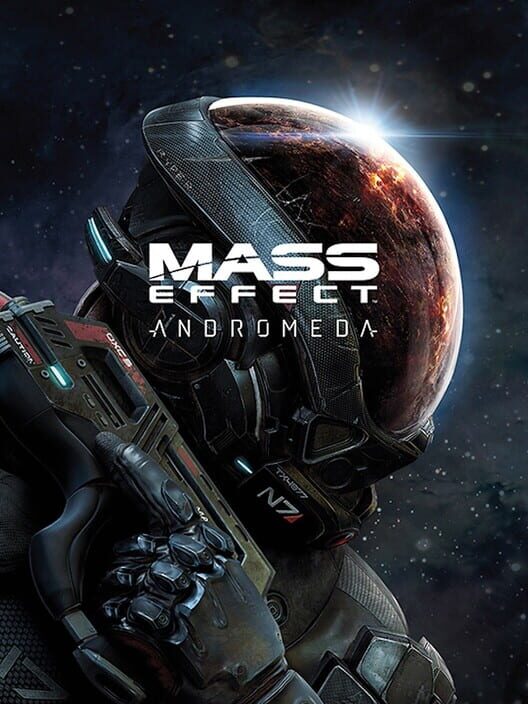
Mass Effect: Andromeda offers a visually stunning and expansive universe with engaging combat and character progression, but struggles with a weaker narrative, shallow world-building, and inconsistent quest design. While it provides a fun and dynamic gameplay experience, it ultimately falls short of the emotional depth and memorable moments of its predecessors.
Top Aspects
Mass Effect Andromeda has seen significant improvements in technical quality since its launch, with most of the initial bugs being addressed through updates, leading to a smoother gameplay experience. Assessments agree that the game is now stable and runs smoothly on modern hardware, with major technical issues resolved. However, there are differing opinions on the nature of the game's core issues. While one assessment highlights the remaining minor UI bugs, the other points out that the fundamental problems lie in the game's design, such as pacing, mission structure, and storytelling, which feel outdated despite the technical fixes.
The game's choices are largely superficial, with most decisions having no lasting impact on the story or gameplay, which is a significant departure from the original trilogy's impactful choices.
The combat system in Mass Effect Andromeda is widely praised for its fluidity, responsiveness, and dynamic nature, which builds on the strengths of previous titles. Reviewers highlight the enjoyable mix of cover shooting and ability combos, with a more fluid cover system and satisfying sound design. The addition of verticality through jetpack movement and the creative combination of biotic and tech powers are noted as significant improvements. However, there are points of contention regarding the limited number of abilities, imbalanced difficulty across game modes, and the reduction of tactical depth due to the removal of traditional squad control. While some reviewers appreciate the weight and precision of the parry system, others feel that the combat feels more like a shooter than a strategic RPG. Overall, the combat system is seen as a significant advancement with some areas that could benefit from further refinement.
The game allows players to mix and match different skills and test various abilities, providing flexibility in character development and play styles.
Quests are poorly structured, often requiring excessive travel between planets and loading screens, which detracts significantly from the gameplay experience.
Character progression in this game offers a flexible system that allows players to mix combat, biotics, and tech abilities, with profiles providing passive buffs. This flexibility is echoed in the ability to unlock and equip different profiles for stat bonuses. However, there are points of contention: while some appreciate the variety in ability selection, others find the restriction to only three active abilities at a time limits combat diversity. Additionally, although character progression is adaptable, the interaction with team members is limited to basic commands, which some players may find restrictive.
The game is fun and offers engaging content, but it falls short of the original trilogy in terms of inspiration and memorable experiences.
Mass Effect Andromeda offers a large amount of content, including dozens of hours of main and side missions, large planets to explore, and character progression and customization. However, the quality of this content is inconsistent, with many side quests feeling repetitive, and the overall experience can feel stretched out.
The protagonist Ryder is criticized for being unlikable and lacking respect from other characters, which detracts from the player's immersion and enjoyment.
The crafting system has a good premise but suffers from high resource requirements, making it difficult to craft useful items early in the game.
If you liked this, try:


How It Compares
Like Predecessor, but stronger in Technical Quality, Combat System