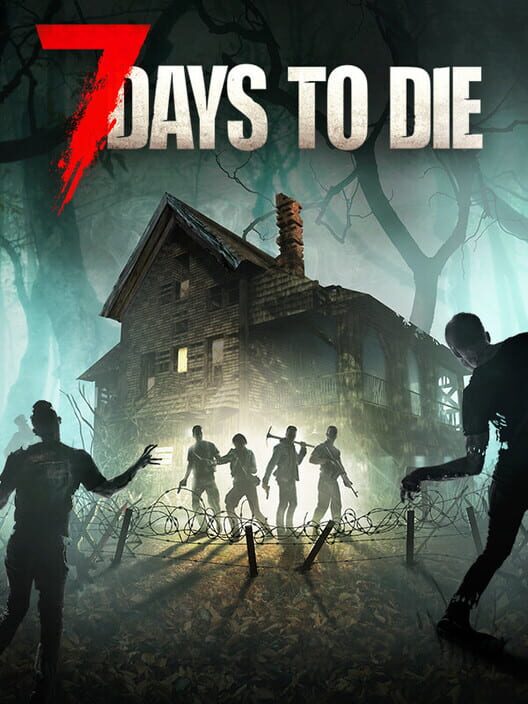
7 Days to Die offers an intense survival experience with its dynamic day/night cycle and relentless zombie hordes, where players must strategically build and defend their bases. The game's extensive customizability and sandbox mechanics provide a unique challenge, though the learning curve and some technical issues may pose difficulties for new players.
Top Aspects
The progression system is well-designed, allowing players to build and craft items, and level up their attributes to suit their preferred playstyle. This system adds depth and personalization to the gameplay experience.
The developers' communication during the town hall event was criticized for being dismissive and defensive. Their responses to community concerns were perceived as inadequate and lacking in empathy, which further exacerbated the negative sentiment.
The game incorporates realistic elements such as the need for food, water, and farming systems. These mechanics add depth and require players to strategize and manage resources effectively.
The game's price is considered too high at full price, though it is recommended to wait for sales, which frequently drop the price to $20.
The multiplayer experience is highlighted as a significant feature, allowing players to cooperate with friends or compete through friendly fire. The ability to invite friends or open the world to the public adds to the game's social aspect.
The game offers extensive customizability through menu toggles and modding support, allowing players to tailor their experience.
The game's development has been slow, with updates often consisting of balance tweaks rather than new content, and many promised features remain undelivered.
The game emphasizes survival mechanics, requiring players to gather resources, build tools, and fortify bases to withstand zombie hordes. The core mechanic involves surviving the relentless horde every seven days, adding a significant level of fear and stress.
Zombies are portrayed as a genuine threat, with various injuries and infections affecting player characters. The game's combat system rewards timing precision and strategic planning, making every encounter risky.
The quest system involves completing tasks to progress through different biomes, offering rewards and unlocking new areas. However, the reliance on these quests for progression and the biome-specific debuffs are seen as less engaging.